Best Liquid Fertilizer for Houseplants 2026: Indoor Plant Food Compared
Affiliate disclosure: Snap Plant earns a commission on qualifying purchases from Amazon at no extra cost to you. All picks are chosen independently, we only recommend products we'd use ourselves.
Most houseplant problems aren't watering problems, they're nutrient problems wearing a watering disguise. Pale, slow-growing foliage; a plant that won't bloom after years indoors; roots that look healthy but the plant still stalls, these are hunger signs, not thirst signs. Liquid fertilizer is the fastest, most precise way to fix them.
The challenge is that "liquid plant food" covers an enormous range: balanced synthetics, single-element concentrates, organic emulsions, and plant-type formulas. This guide cuts through the noise with eight picks chosen for actual indoor growing conditions, from a dead-simple pump-top bottle for beginners to a complete 16-nutrient formula used by serious aroid collectors.
At a Glance
 Miracle-Gro Indoor Plant Food, Liquid Plant Food for...
(I own this one; it has earned its spot.)
Miracle-Gro Indoor Plant Food, Liquid Plant Food for...
(I own this one; it has earned its spot.)
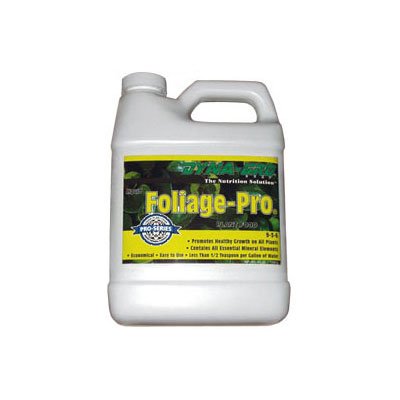 Dyna-Gro Foliage Pro 9-3-6 - Quart
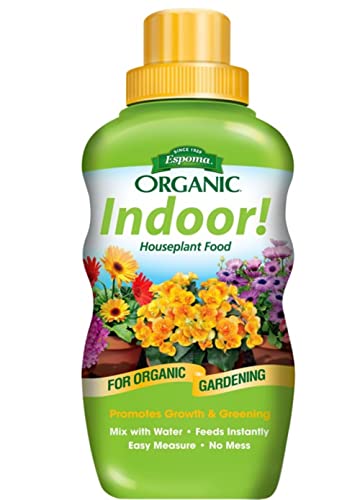 Espoma Organic 8 Ounce Concentrated Indoor Plant Food...
 Jack's Classic All Purpose 20-20-20 Water Soluble...
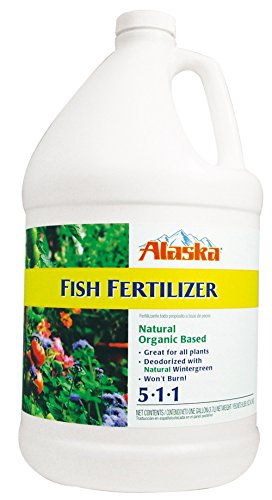 Alaska Fish Emulsion Fertilizer 5-1-1 Concentrate 1...
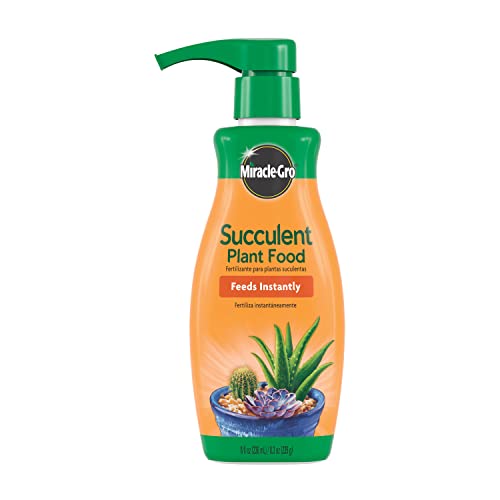 Miracle-Gro Succulent Plant Food, Liquid Plant Food...
Product images and titles from Amazon. As an Amazon Associate we earn from qualifying purchases.
Quick Picks: Best Liquid Fertilizer for Houseplants
| Pick | Best For | NPK | Form |
|---|---|---|---|
| Miracle-Gro Indoor Plant Food | Beginners, general houseplants | 1-1-1 | Pump liquid |
| Dyna-Gro Foliage-Pro 9-3-6 | Foliage plants, collectors | 9-3-6 | Concentrate |
| Espoma Organic Indoor Plant Food | Organic, pet-safe households | 2-2-2 | Ready-to-use |
| Jack's Classic All Purpose 20-20-20 | Heavy feeders, fast growth | 20-20-20 | Water-soluble powder |
| Alaska Fish Emulsion 5-1-1 | Budget organic, soil health | 5-1-1 | Concentrate |
| Miracle-Gro Succulent Plant Food | Succulents & cacti | 0.5-1-1 | Pump liquid |
| Better-Gro Orchid Plus 11-35-15 | Orchids & blooming plants | 11-35-15 | Water-soluble |
| FoxFarm Grow Big Liquid | Fast growth phase, large tropicals | 6-4-4 | Concentrate |
The 8 Best Liquid Fertilizers for Houseplants
Miracle-Gro Indoor Plant Food
Miracle-Gro's indoor-specific liquid food removes the single biggest friction point in plant fertilizing: measuring. One pump per small pot (4–8"), two pumps per larger pot, applied directly to the soil when watering, every 1–2 weeks. The 1-1-1 NPK ratio is intentionally mild; it's calibrated for the low-light, slow-growth conditions of indoor living where pothos or snake plants don't demand the aggressive feeding a tomato plant does.
It won't replace a full-spectrum concentrate for serious collectors, but for the majority of houseplant owners with a few monsteras, pothos, and peace lilies, it's the most foolproof option on the market. Works well paired with a soil moisture meter so you're only feeding when the plant is actively drinking.
Pros
- No measuring, pump-and-pour
- Gentle enough to use every week
- Suitable for nearly all common houseplants
- No risk of burning at label rate
Cons
- Mild 1-1-1 won't push heavy feeders
- Not organic / OMRI listed
- Small bottles add up in cost per feeding vs concentrate
Dyna-Gro Foliage-Pro 9-3-6
Dyna-Gro Foliage-Pro is the fertilizer you see in every serious aroid and tropical collector's cabinet, and for good reason. It contains all 16 essential plant nutrients including calcium, magnesium, sulfur, iron, and manganese, in chelated forms that remain available in a wide range of soil pH. Most basic liquid fertilizers only supply the three NPK macronutrients; Foliage-Pro is a complete plant diet in a single bottle.
The 9-3-6 ratio is weighted toward nitrogen for vigorous foliage growth, exactly what monsteras, philodendrons, pothos, and calatheas want during the growing season. Mix 1 teaspoon per gallon of water (or ¼ tsp per quart for smaller batches) and use every 1–2 waterings from spring through summer. One quart makes approximately 192 gallons of feed solution, making it one of the most economical professional-grade options per feeding.
Pros
- All 16 essential nutrients in one product
- Chelated micronutrients work in varied pH
- Very economical per feeding when diluted
- Trusted by commercial growers and serious hobbyists
Cons
- Requires measuring, not beginner-friendly
- Concentrate form intimidates new growers
- High-N ratio not ideal for succulents or orchids
Espoma Organic Indoor Plant Food
Espoma's Indoor Plant Food is the standout organic option for households with pets or children where synthetic fertilizer salts on soil surfaces are a concern. The 2-2-2 NPK comes from hydrolyzed feather meal, bone meal, and kelp, organic nitrogen sources that release gradually as soil microbes break them down, which means it's nearly impossible to burn roots at label strength. It also includes beneficial microbes to support long-term soil health in container media.
The tradeoff with organic formulas is immediacy: organic nutrients take 1–2 weeks to become plant-available, so you won't see the same rapid growth response you'd get from a synthetic like Jack's Classic. For houseplant owners who prefer gentle, set-and-forget feeding over maximum growth rate, Espoma is the right call. Pair it with the overwatering guide, organic-fed plants often look "normal" for longer after overwatering before showing stress, making the soil-dry-down-first rule especially important.
Pros
- OMRI certified organic, pet and child safe
- Virtually impossible to burn at label strength
- Includes beneficial microbes
- Good for long-term soil biology in containers
Cons
- Slower to show results than synthetic formulas
- 2-2-2 won't push heavy feeders in active growth
- Higher per-use cost vs synthetic concentrates
Jack's Classic All Purpose 20-20-20
Jack's Classic 20-20-20 is the professional grower's workhorse, a water-soluble powder that mixes into a liquid for high-performance feeding. The balanced 20-20-20 NPK provides equal amounts of all three macronutrients, making it suitable for any plant that isn't highly specialized (orchids and succulents aside). For fast-growing foliage plants in active growth, monsteras, pothos, fiddle-leaf figs, rubber trees, it's the highest-nitrogen option that covers all the basics in one product.
Critical: use it at half to quarter label strength for houseplants. The 20-20-20 ratio is potent, and full-label-strength application to a container plant will build up salts quickly. Mix ½ teaspoon per gallon rather than the garden-bed label rate, and flush the soil with plain water every 4–6 weeks to reset salt levels. The powder form also gives this product exceptional shelf life, it won't separate or degrade like liquid formulas sitting in a hot garage between uses.
Pros
- Complete balanced NPK at a high concentration
- Very economical, one small bag lasts years for houseplants
- Excellent shelf life as dry powder
- Works for virtually any non-specialist plant
Cons
- Requires careful dilution, easy to over-apply
- Not organic
- Powder requires dissolving before use
Alaska Fish Emulsion 5-1-1
Alaska Fish Emulsion is the original organic liquid fertilizer, made from cold-processed fish, it's been used by organic growers for decades. The 5-1-1 NPK is nitrogen-forward (good for foliage) at a very affordable price point. One quart concentrate makes about 16 gallons of feed solution at the standard dilution. Beyond the three NPK numbers, fish emulsion also contributes amino acids and trace minerals from the fish protein that synthetic fertilizers don't include.
The elephant in the room: it smells like fish, for a day or two after application. For outdoor plants this is irrelevant. For indoor houseplants, plan to apply before leaving for work or on days you can open windows. The smell dissipates completely as the soil dries. If the odor is a dealbreaker, Espoma Organic is the indoor-friendly alternative; if you can tolerate a brief smell in exchange for a lower price and genuine organic inputs, Alaska Fish Emulsion delivers solid results for most foliage plants.
Pros
- Cheapest organic option per feeding
- Amino acids and trace minerals beyond NPK
- Improves soil biology in container media over time
- 5-1-1 is good for leafy foliage plants
Cons
- Strong fish smell for 24–48 hours indoors
- Lower NPK than synthetic concentrates
- Not practical for plants with very low nutrient needs
Miracle-Gro Succulent Plant Food
Succulents and cacti need fertilizer on a completely different schedule and at a completely different concentration than foliage houseplants. Miracle-Gro Succulent Plant Food is formulated for exactly this: a very low-concentration pump liquid (0.5-1-1 NPK) that delivers minimal nitrogen, critical because high nitrogen makes succulents grow too fast and lose their compact, drought-adapted form. One to two pumps per 6" pot, applied to wet soil every two weeks from March through August, then stopped entirely through winter.
The pump format is perfect for succulents because the volume is easy to control, you never risk over-fertilizing by accident. Pair this with a proper succulent-specific soil mix (gritty, fast-draining) and the results are healthy color, tight growth, and occasional blooms from species that can flower. This is the simplest, safest entry point for fertilizing succulents without the risk of etiolation or root burn.
Pros
- Very low concentration, almost impossible to burn succulents
- Pump format prevents over-application
- Maintains compact, natural growth habit
- Easy to find in stores as a backup
Cons
- Too dilute for foliage plants that need more N
- Small bottles, less economical for large collections
- Not organic
Better-Gro Orchid Plus 11-35-15
Orchids are one of the few houseplants where NPK ratio genuinely matters for flowering. The high phosphorus in Better-Gro Orchid Plus (35, versus the nitrogen at 11) directly supports bloom spike initiation, the process by which a Phalaenopsis or Dendrobium sets its flower buds. Using a general-purpose or high-nitrogen fertilizer on orchids produces lush foliage but suppresses flowering, which is the opposite of what most orchid owners want.
The "weakly, weekly" method works well for orchids: dissolve ¼ teaspoon per gallon of water and use this solution for every watering during the growing season (spring through summer). This keeps a steady, low-concentration nutrient supply available without the feast-and-fast cycle of monthly full-dose applications. Flush with plain water once a month to prevent salt buildup in the bark or sphagnum moss medium. Reduce to once-monthly feeding in fall, and stop entirely in winter to encourage bloom spike formation through temperature and light shifts.
Pros
- High-phosphorus formula specifically supports blooming
- Works with weakly-weekly orchid feeding method
- Trusted by orchid growers and societies
- Economical, small amount goes far per application
Cons
- Requires dissolving powder in water
- Only suitable for orchids and other blooming plants
- Not useful for general foliage plants
FoxFarm Grow Big Liquid Concentrate
FoxFarm Grow Big is formulated for rapid vegetative growth, it's why it's popular in hydroponic gardens. For large, fast-growing indoor tropicals that have outpaced more gentle formulas (a monstera that's put out 8+ leaves per year, a bird-of-paradise filling out a 14" pot), Grow Big's 6-4-4 with its chelated iron and earthworm castings provides a noticeably stronger growth push than standard indoor formulas. The earthworm castings also bring beneficial organic compounds that synthetic fertilizers skip entirely.
Use it during the active growing season only (May through August), diluted at half the label rate for container houseplants, 1.5 teaspoons per gallon rather than the full 3. Because it's a full-spectrum growth formula designed for rapid production, monthly soil flushing is more important with Grow Big than with gentler indoor fertilizers. This is the pick for experienced plant owners who want maximum growth from established tropical specimens, not a daily-driver for casual plant parents.
Pros
- Strongest vegetative push of any pick here
- Includes earthworm castings for soil biology
- Chelated iron prevents yellowing in high-growth phases
- Good for large established tropicals in active growth
Cons
- Too aggressive for sensitive plants, succulents, or orchids
- Requires careful dilution at half-label rate for containers
- Needs monthly flushing to prevent salt buildup
How to Read a Fertilizer Label: NPK Explained
Every fertilizer label shows three numbers: nitrogen (N), phosphorus (P), and potassium (K). These are the percentage by weight of each primary nutrient. A 20-20-20 fertilizer is 20% nitrogen, 20% phosphorus, and 20% potassium; the remaining 40% is carrier material. For houseplants:
| Nutrient | Label Position | Main Role | Best For |
|---|---|---|---|
| Nitrogen (N) | First number | Leafy, green growth; chlorophyll production | Foliage plants, heavy feeders |
| Phosphorus (P) | Middle number | Root development, flower and fruit production | Orchids, blooming plants |
| Potassium (K) | Last number | Overall health, disease resistance, water uptake | All plants, balanced maintenance |
Beyond NPK, quality liquid fertilizers also supply secondary nutrients (calcium, magnesium, sulfur) and micronutrients (iron, manganese, zinc, copper, boron, molybdenum). These are needed in small amounts but are critical, iron deficiency, for example, causes the characteristic yellow-leaves-with-green-veins (chlorosis) you see in calatheas and gardenias. Dyna-Gro Foliage-Pro covers all 16 essential nutrients; most other products on this list cover only the primary macronutrients and require you to address micronutrient deficiencies separately if they appear.
Fertilizing Schedule by Plant Type
| Plant Category | Growing Season Feed | Winter Feed | Best Formula Type |
|---|---|---|---|
| Tropical foliage (pothos, monstera, philodendron) | Every 1–2 weeks, full label | Stop or once/month at ¼ strength | Balanced or high-N (9-3-6, 20-20-20) |
| Succulents & cacti | Every 2–4 weeks, ¼ label strength | Stop entirely | Low-N succulent formula |
| Orchids | Weekly at ¼ strength (weakly weekly) | Monthly at ¼ strength | High-P orchid formula (11-35-15) |
| Ferns & calatheas | Every 2–3 weeks, ½ label strength | Stop or once/month | Balanced or organic (2-2-2) |
| Herbs indoors | Every 1–2 weeks, full label | Every 3–4 weeks | Balanced or high-N |
Fertilizer Accessories Worth Having
- Measuring pipettes / syringes, Essential for accurately diluting concentrates like Dyna-Gro or FoxFarm. A set of 1 mL, 5 mL, and 10 mL syringes gives you precision without the guesswork of “half a teaspoon.”
- Long-spout watering can, Apply diluted liquid fertilizer directly to the soil (not the leaves) without splashing. A narrow spout reaches under foliage to the root zone, which is where the uptake happens.
- Soil moisture meter, Only fertilize when the soil is moist, not dry or waterlogged. A moisture meter takes the guesswork out; roots absorb nutrients far more efficiently from evenly moist (not soggy) soil. See our full soil moisture meter guide.
- pH test strips, Liquid fertilizers shift water pH. Most houseplants absorb nutrients best between pH 6.0–7.0. If you're using a concentrate and plants show persistent micronutrient deficiencies despite regular feeding, test the pH of your feed solution, it's often the culprit rather than the fertilizer choice.
- Liquid kelp supplement, A trace-mineral supplement added monthly at very low concentration. Kelp provides plant hormones (cytokinins) and micronutrients that synthetic fertilizers omit. Good supplement to pair with any of the picks above, add 1–2 drops per quart of feed solution.
- Fine-mist spray bottle, For foliar feeding, which delivers nutrients through leaves rather than roots. Use your liquid fertilizer at one-eighth label strength in a spray bottle and mist leaves (top and undersides) early in the day so they dry before nightfall. Calatheas, ferns, and orchids respond especially well to occasional foliar feeding during active growth.
Frequently Asked Questions
How often should I fertilize houseplants with liquid fertilizer?
During the active growing season (spring through early fall), most houseplants benefit from liquid fertilizer every 2–4 weeks at full label strength, or every week at quarter-strength (the "weakly weekly" method). From October through February, reduce or stop fertilizing, most indoor plants slow growth in low-light winter months, and fertilizing dormant plants leads to salt buildup without plant benefit.
What do NPK numbers mean on houseplant fertilizer?
NPK stands for nitrogen (N), phosphorus (P), and potassium (K). The three numbers show the percentage of each nutrient by weight. Nitrogen drives leafy green growth; phosphorus supports roots and blooming; potassium supports overall health and disease resistance. A balanced 20-20-20 suits most foliage plants; orchid food (high P like 11-35-15) is optimized for flowering; succulent food is diluted and low-N for slow-growing plants.
What are the signs of over-fertilizing a houseplant?
Brown, crispy leaf tips (salt burn), white crusty mineral deposits on soil surface, wilting despite adequate watering, and yellowing of lower leaves. Fix it by thoroughly flushing the soil, run water slowly through the pot until clear from the drainage hole, repeat 3–4 times. Skip fertilizing for 4–6 weeks, then resume at half strength.
Can I use outdoor plant fertilizer on houseplants?
You can, but at half to quarter the labeled concentration. Outdoor fertilizers are formulated for larger root systems and faster growth rates, using full strength on a container houseplant can burn roots. Indoor-specific formulas are calibrated for container growing conditions; they're the safer starting point.
Do succulents and cacti need liquid fertilizer?
Yes, but infrequently and at low concentration. Fertilize once in spring and once in early summer at one-quarter label strength. High-nitrogen fertilizers make succulents grow too fast and lose their compact form. Stop completely from September through March during the rest phase. See our succulent care guide for more on identifying species and their specific needs.