Best Plant Stands 2026: Tiered, Tall & Corner Stands for Every Space
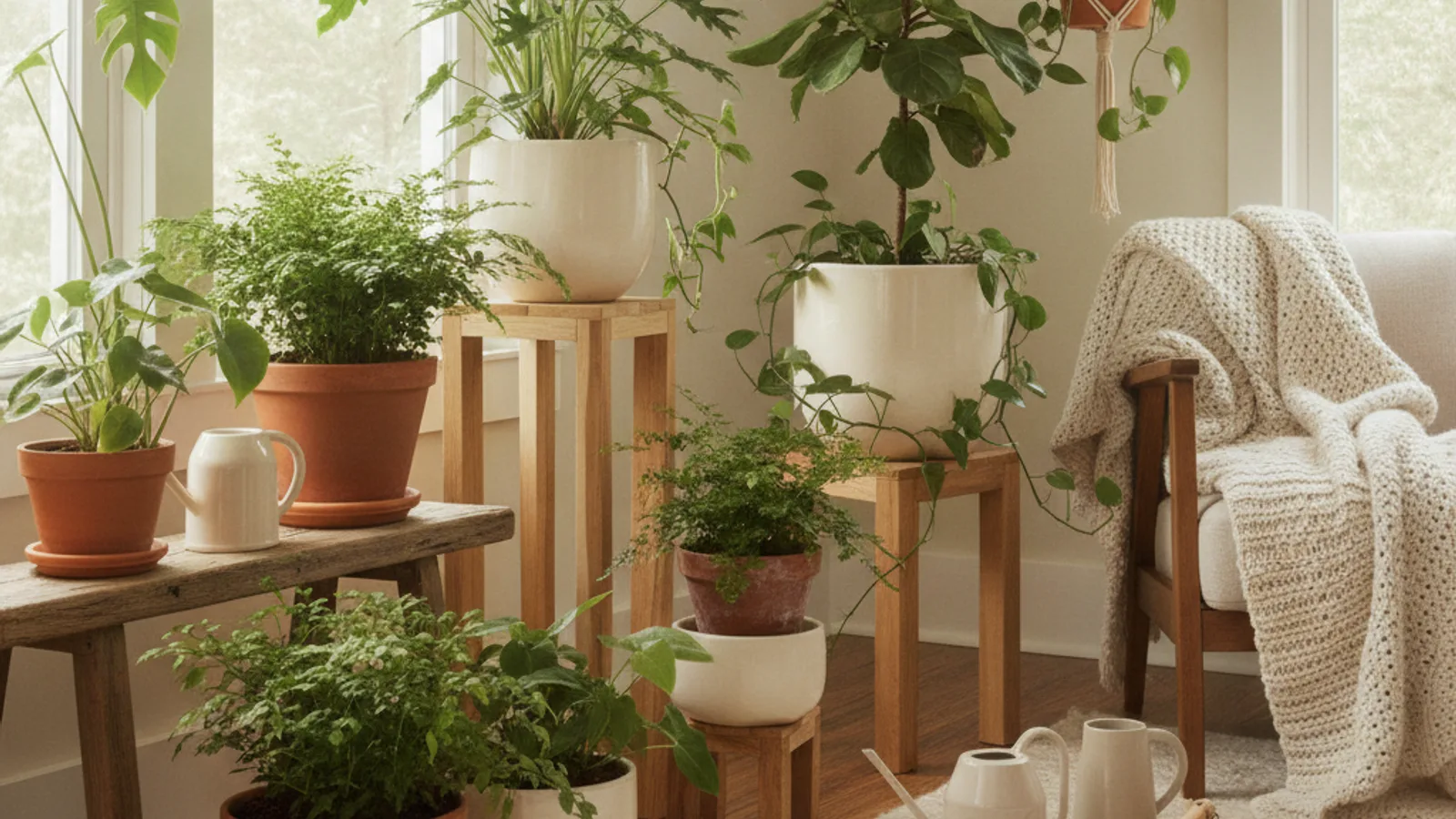
The right plant stand turns a collection of individual pots into a deliberate, layered display. More practically, it solves the two most common plant placement problems: getting trailing plants high enough to cascade properly, and getting floor-level plants off the ground so air circulates under the pot and excess water can drain without sitting in a puddle. A plant left directly on a floor saucer in a low-light corner rarely thrives, not because of the light, but because stagnant air and drainage trapped by the floor itself slowly suffocate the roots.
Plant stands are also one of the few ways to add a vertical dimension to a room without committing to wall-mounted shelving or permanent fixtures. A 5-tier bamboo ladder stand in a south-facing window can display a full propagation collection on a 2-square-foot floor footprint. A tall black metal pedestal in a corner immediately transforms a single large snake plant or fiddle leaf fig into a focal point rather than a pot sitting on the floor. The categories that matter most are: how many plants you need to display, the weight of your heaviest pot, whether the stand is for indoor or outdoor use, and the aesthetic you want to land on.
Quick Picks
| Pick | Best For | Price Range | Link |
|---|---|---|---|
| TIMEYARD 4-Tier Metal | Best Overall (tiered display) | $35-50 | View |
| Bamboo Ladder Stand (3-tier) | Best Budget | $20-30 | View |
| Tall Pedestal Stand (28-36") | Single Large Statement Plant | $25-45 | View |
| 5-Tier Corner Staircase Stand | Corner Space-Saving Display | $40-60 | View |
| 6-Shelf Bamboo Wide Stand | Serious Collectors (6+ plants) | $45-65 | View |
| Macrame Plant Hangers 4-Pack | Trailing Plants (pothos, string of pearls) | $15-25 | View |
| Powder-Coated Iron Stand (Outdoor) | Outdoor / Patio Use | $30-55 | View |
| Mid-Century Wood+Metal Stand | Premium / Decorator Style | $50-90 | View |
TIMEYARD 4-Tier Metal Plant Stand
The TIMEYARD 4-tier stand hits the intersection of price, capacity, and visual appeal that makes it the default recommendation for anyone building out a plant display. Four staggered metal tiers at ascending heights mean four different visual levels -- you can mix trailing plants on the top (where the drape has the most room), mid-sized leafy plants in the middle, and smaller pots or propagation cups at the bottom. The black powder-coated finish reads as intentional against both neutral walls and exposed brick. Assembly is bolt-together with no tools required beyond the included wrench, and the wide rectangular footprint (roughly 22 x 12 inches at the base) provides enough stability for pots up to 10 inches in diameter per shelf.
What makes this the overall winner is the balance between capacity and footprint. It holds four medium-sized pots in the floor space of a single ottoman. The wire-style shelf construction means water from over-watered pots drips through rather than pooling on a solid surface, which matters if you have a plant-adjacent wood floor. Stability is adequate for lighter pots, though the stand will flex slightly with heavier ceramic pots near the top tier -- keep your heavier pots on the bottom shelves and lighter pots up top for the most stable configuration.
Pros
- 4 tiers in compact footprint
- Wire shelves let water drain through
- Modern black finish, style-versatile
- No tool assembly
- Holds 4 medium pots easily
Cons
- Can flex with heavy top-tier pots
- Wire shelves can leave marks under pots without saucers
- Indoor use only (coating not weatherproof)
3-Tier Bamboo Ladder Plant Stand
For a first plant stand or a minimal-investment display, a 3-tier bamboo ladder stand in the $20-30 range does the job cleanly. Bamboo is inherently lightweight, which makes the stand easy to reposition when you rotate plants for light, and the natural material reads warmly against terracotta pots and earthy planters. Three tiers handles most casual collections: a trailing plant at the top, two mid-sizes in the middle and bottom. Shelf depth is typically 10-12 inches, which accommodates pots up to 8 inches comfortably.
The limitation of budget bamboo stands is the weight ceiling. Bamboo shelves deflect under pots heavier than about 10-12 pounds per tier, which means you need to stay below large planters or wide ceramic cache pots. A 6-inch terracotta pot saturated with water weighs roughly 4-5 pounds -- three of those is fine. A 10-inch ceramic glazed planter with a monstera can weigh 15-20 pounds saturated -- that goes on the floor, not on a bamboo shelf. If most of your pots are 4-8 inches in diameter and lightweight, bamboo works well. If you have large tropicals in big ceramic containers, invest in metal.
Pros
- $20-30, lowest cost option
- Natural bamboo aesthetic
- Lightweight and easy to move
- Easy wipe-clean surface
- Fits small apartments
Cons
- 10-15 lb per shelf maximum
- Not suitable for outdoor use
- Bamboo can crack in very dry conditions
- 3 tiers limits large collections
Tall Metal Pedestal Stand (28-36")
A tall single-platform pedestal stand is the most impactful use of a plant stand for a single large plant. A fiddle leaf fig, ZZ plant, bird of paradise, or large snake plant displayed at 28-36 inches immediately commands a corner in a way that the same plant sitting on the floor does not. The elevation also improves the plant's light exposure in rooms where light enters from windows at mid-height; the pot sitting on a pedestal may be in substantially better light than the same pot on the floor.
For trailing plants, a tall pedestal in front of a window creates the ideal drape: pothos, string of pearls, string of turtles, and heartleaf philodendrons look spectacular with 18-24 inches of vine cascading down from a stand at eye level. Look for pedestal stands with a circular platform 8-12 inches in diameter (enough for a 6-10 inch pot) and a solid-welded base (tripod or X-base designs are more stable than four thin legs). Weight capacity should be at least 25 pounds to handle a large, saturated ceramic planter.
Pros
- Maximum visual impact for one plant
- Elevates plant into better light
- Ideal for trailing cascading plants
- Takes up minimal floor space
- Works as corner focal point
Cons
- Single plant only
- Tip risk with top-heavy tall plants in narrow bases
- Not suitable for spreading plants needing wide pots
5-Tier Corner Staircase Plant Stand
Corner staircase stands are purpose-built to fill dead corner space with a vertical plant display. Each tier is staggered inward as you go up, fitting the triangular geometry of a corner perfectly while still keeping every plant visible from the room. A 5-tier corner stand with a roughly 24 x 24-inch triangular footprint gives you display space for five plants in what is otherwise an awkward, unusable corner. In rooms where window light hits one corner diagonally, this is an effective way to put five plants in the best light position available.
The staircase configuration also makes watering straightforward: you work from the top tier down, and any drainage from upper pots falls outward away from lower tiers (use saucers on every shelf). Corner stands come in both bamboo (lighter, 10-15 lb per tier) and metal (heavier capacity). For the corner-stand purpose, bamboo is often the better material choice because the natural finish reads less industrial in living room corners. Metal corner stands are worth the premium if your corner gets wet from adjacent humidity or if you plan to display succulents and pottery in heavy ceramic containers.
Pros
- Uses dead corner space productively
- 5 plants in a small footprint
- Staggered tiers all face the room
- Works in any corner orientation
- Strong visual statement
Cons
- Triangular footprint limits placement
- Hard to move once loaded with plants
- Bamboo versions have lower weight capacity
6-Shelf Wide Bamboo Plant Stand
For plant collectors with 10 or more small-to-medium houseplants needing display space, a 5- or 6-shelf bamboo plant stand functions like a dedicated plant bookshelf. Unlike a tiered display stand, a wide bamboo shelf unit has consistent shelf depth (typically 9-11 inches) across the full width (24-30 inches), which means you can line up three 4-inch pots side by side on each shelf or fit two 6-inch pots comfortably. With 6 shelves, that is 12-18 individual plants in a single freestanding unit.
This style works particularly well in front of a large east- or south-facing window where every shelf gets meaningful light throughout the day. The open bamboo construction lets light reach lower shelves from above, which is important for light-hungry plants on the lower tiers. The limitation is weight: bamboo shelves at this scale typically rate 10-20 pounds per shelf, which is adequate for the 3-5 inch propagation pots and small succulents that make up most large collections but will flex with heavy ceramic planters. Use plastic nursery pots with cache pots to keep weight manageable, and stagger your watering schedule so no single shelf carries multiple pots saturated at the same time.
Pros
- 12-18 plants in one unit
- Full shelf depth for rows of pots
- Ideal in front of large windows
- Natural aesthetic, works in living rooms
- Propagation station ready
Cons
- Heavy pots will exceed weight limit
- Large footprint (30 in wide x 12 in deep)
- Not suitable for outdoor use
- Lower shelves need light-tolerant plants
Cotton Macrame Plant Hangers (4-Pack)
For trailing plants, a ceiling-hung macrame hanger beats any freestanding stand for maximizing vine length and creating the dramatic cascading look. Pothos, heartleaf philodendron, string of pearls, string of turtles, ivy, and tradescantia all benefit enormously from being at ceiling height: the vines drape unobstructed for the full length of the room wall rather than getting tangled on a shelf or blocked by nearby furniture. A 4-pack of cotton macrame hangers lets you hang a collection in a window or across a ceiling beam without needing four separate ceiling anchors if you use a wooden dowel rod hung from two hooks.
Cotton rope is the right material for indoor hangers: it is softer on the pot and does not stretch or degrade as quickly as nylon or jute in humid bathroom or kitchen environments. For installation, use a toggle bolt anchor (not just a drywall screw) rated for at least 25 pounds if hanging into drywall between studs; toggle bolts hold 50-100 pounds in drywall, while a single drywall screw rated for 15 pounds will pull out without warning. Each hanger holds pots 4-8 inches in diameter; a 6-inch plastic nursery pot with a saturated pothos typically weighs 3-6 pounds, well within the cotton rope's capacity.
Pros
- Maximum drape for trailing plants
- No floor footprint at all
- 4-pack lets you create a cluster
- Cotton holds up in humidity
- Boho aesthetic, very popular
Cons
- Requires ceiling anchor installation
- Pot limited to 8 inches diameter
- Watering requires removing or watering in place (drip risk)
- Not suitable for top-heavy plants
Powder-Coated Iron Plant Stand (Outdoor)
If you want a plant stand that can move between an indoor sunroom and an outdoor patio without deteriorating, powder-coated iron is the only material that makes sense. Bamboo rots outdoors within one season in wet climates. Untreated wood swells, cracks, and molds. Powder-coated iron resists rust through the coating, handles UV exposure, and tolerates rain and humidity without structural compromise. Weight capacity is typically 25-50 pounds per platform, enough for a large clay pot with a substantial plant.
Outdoor iron plant stands are also better suited for heavy planters than bamboo equivalents: a large ceramic pot with a colocasia or a big Proven Winner annual easily weighs 20-30 pounds saturated, and iron does not flex or crack under that load. For patios, look for stands with a weighted or splayed-leg base that resists tipping in wind. Rust will develop if the powder coating chips and bare iron is exposed to moisture -- carry touch-up paint and inspect the coating annually, especially at weld points and leg tips where the coating tends to wear first.
Pros
- True indoor/outdoor versatility
- Handles heavy ceramic planters
- Rust-resistant powder coating
- Durable for years of outdoor use
- Higher weight capacity than bamboo
Cons
- Heavier than bamboo (harder to move)
- Bare metal at chips will rust
- Industrial look not for all interiors
- More expensive than bamboo equivalents
Mid-Century Modern Wood + Metal Stand
When the plant stand itself needs to be a piece of furniture rather than a utilitarian display rack, wood-and-metal mid-century designs deliver. Typically a solid wood platform (walnut, teak, mango wood, or stained pine) on angled metal legs at 45-degree splays, these stands are designed to look good in living rooms alongside actual furniture. They hold a single large plant at 12-24 inch height, which is ideal for a statement Monstera deliciosa, a large peace lily, a mature rubber plant, or a grouping of succulents in a wide shallow bowl planter.
The premium price ($50-90 versus $20-30 for bamboo) is primarily for the aesthetic: the angled leg geometry is distinctive, the warm wood grain complements terracotta and textured ceramic planters, and the overall piece looks finished rather than functional. For someone who has invested in quality furniture, an $18 bamboo stand next to a $800 sofa looks like an afterthought. A wood-and-metal stand in the $60-90 range reads as intentional. Look for solid wood construction (not veneer) and welded metal legs rather than screwed-together joints, which loosen over time under the lateral stress of a heavy pot shifting when watered.
Pros
- Furniture-quality appearance
- Warm wood grain complements terracotta
- Stable angled-leg base
- Statement piece for living rooms
- Durable solid wood construction
Cons
- $50-90 vs $20-30 for bamboo
- Single plant only
- Indoor use only (wood warps outdoors)
- Quality varies; buy solid wood not veneer
How to Choose: 4 Questions
| Your Situation | Best Pick |
|---|---|
| You have 4+ small-to-medium pots to display | TIMEYARD 4-Tier Metal (best overall) or 6-Shelf Bamboo (collector) |
| You have one large statement plant (snake plant, fiddle leaf, monstera) | Tall Pedestal Stand (28-36") or Mid-Century Wood+Metal Stand |
| You have trailing plants (pothos, string of pearls, ivy) | Macrame Hangers (maximum drape) or Tall Pedestal (if no ceiling hook) |
| You have a dead corner doing nothing | 5-Tier Corner Staircase Stand |
| You need outdoor/patio use | Powder-Coated Iron Stand (only option that handles weather) |
| Your stand needs to look like furniture, not equipment | Mid-Century Wood+Metal Stand |
| Budget under $30, starting small | 3-Tier Bamboo Ladder Stand |
Plant Stands: Material Comparison
| Material | Capacity | Weather? | Aesthetic | Best For |
|---|---|---|---|---|
| Bamboo | 10-20 lb/shelf | Indoor only | Natural / Boho | Small-medium pots, collections |
| Powder-coated steel/iron | 20-50 lb/shelf | Indoor + Outdoor | Modern / Industrial | Heavy pots, patios, serious use |
| Solid wood | 20-40 lb | Indoor only | Warm / Furniture-grade | Living room statement pieces |
| Wire/welded steel | 15-30 lb/shelf | Indoor only | Mid-century / Minimal | Tiered displays |
| Cotton macrame | 5-10 lb | Indoor only | Bohemian / Textile | Trailing plants, ceiling display |
Accessories Worth Having
- Felt furniture pads (self-adhesive) -- Apply to each stand foot to prevent scratching hardwood or tile. Replace annually as they compress.
- Plant caddy with casters -- A low rolling platform placed under a heavy stand lets you rotate and reposition large plants without lifting. Essential for floor plants over 20 lb.
- Terracotta saucers (set) -- Every pot on every tier should have a saucer. Terracotta saucers are the most aesthetically cohesive option; they also absorb small amounts of drainage and reduce the amount of water reaching the stand shelf directly.
- Toggle bolt ceiling anchors -- For macrame hangers, use toggle bolts rather than drywall screws. Toggle bolts hold 50-100 lb in drywall; a single drywall screw rated at 15 lb will fail with a saturated 8 lb pot if the angle shifts even slightly.
- Wooden dowel rod (1-1.5 inch diameter) -- Hang a 36-48 inch dowel from two ceiling hooks to create a horizontal hanging rail for multiple macrame hangers without needing 4+ separate anchor points.
Pair your plant stand setup with the right tools for keeping your plants healthy: the best soil moisture meters help you judge when each pot actually needs water (critical when watering access is awkward from a tall stand), and a quality pair of pruning shears lets you trim trailing vines cleanly without removing the pot from the stand. If you are growing under a tiered stand in lower light, see our grow light guide for options that mount above a shelf display without overheating the pots below.
Frequently Asked Questions
What height should a plant stand be?
For trailing plants, taller is better -- 28 to 36 inches gives vines room to cascade. For single large floor plants, 8-14 inches is enough to elevate the pot and improve drainage airflow. For table/desk displays, a 4-8 inch riser brings small pots to eye level. General rule: the taller the plant, the lower the stand. Trailing plants are the exception and benefit from maximum elevation.
What is the best material for a plant stand?
Metal (powder-coated iron or steel) is the most durable choice for heavier pots and for outdoor use. Bamboo suits lighter indoor pots well and has a natural aesthetic. Solid wood (teak, walnut) is the premium indoor choice for decorative display. Avoid MDF or particleboard -- both warp with any water contact from plant drainage or misting.
How much weight can a plant stand hold?
Budget bamboo: 10-20 lb per shelf. Mid-range powder-coated metal: 20-40 lb per shelf. Heavy-duty wrought iron floor stands: 50-100 lb on a single platform. Calculate at saturation, not when dry -- a 10-inch pot with a large tropical can weigh 20-35 lb when fully watered.
Can plant stands be used outdoors?
Only powder-coated or galvanized metal stands are suitable for year-round outdoor use. Bamboo and untreated wood rot and split within one or two outdoor seasons, especially in humid climates. For patio use, look specifically for stands with a "weather-resistant" or "rust-resistant" designation and stainless or zinc-plated hardware.
How do I stop a plant stand from scratching my floor?
Apply self-adhesive felt pads to each foot -- they cost under $5 for 60 pads and take 30 seconds to apply. Replace annually as they compress. For heavier stands you move frequently, rubber non-slip pads provide better grip. For the heaviest setups, place the stand on a plant caddy with casters so you roll it rather than drag it.
Do I need a plant stand with a tray or drainage holes?
Most stands do not include drainage trays -- use saucers under each pot instead. If you want a seamless look, use a decorative cache pot placed on the stand with your actual grow pot inside it. Check cache pots every few days to make sure water is not pooling, as root rot from standing water is the most common watering mistake on tiered stands.