Best Indoor Watering Cans 2026: Long Spout, Copper & Precision Picks Compared
Most overwatering and root rot problems do not start with too much water; they start with bad watering technique. Flooding the soil with a kitchen cup or a large-mouthed container delivers water in an uncontrolled surge that saturates the surface, runs off the edges, and either never reaches the root zone or saturates it so unevenly that some roots stay dry while others drown. A dedicated indoor watering can with a long, narrow spout solves three problems at once: it puts water exactly at the base of the stem, it lets you control flow rate, and its narrow spout keeps you from accidentally wetting the foliage of plants that are prone to leaf spot and fungal disease.
The differences between watering cans that actually matter for indoor use are spout length (10 to 14 inches covers most scenarios), capacity (1 to 2 liters is the sweet spot for most collections), spout diameter (narrow means more control, but slower refill), and handle ergonomics (a second handle on the body makes a full can much easier to tilt without arm strain). The decorative finish matters for kitchens and living rooms where the can sits on display, but never at the expense of function. This guide covers every type: long-spout plastic, copper-finish decorative, Haws-style precision, succulent squeeze bottles, and large-collection metal cans.
At a Glance
 Dramm Premium High Grade Long Spout Watering Can, for...
 Bloem Aqua Rite Watering Can: 56 Oz - Bermuda Teal -...
 Haws Handy Plastic Watering Can, Mini Water Can for...
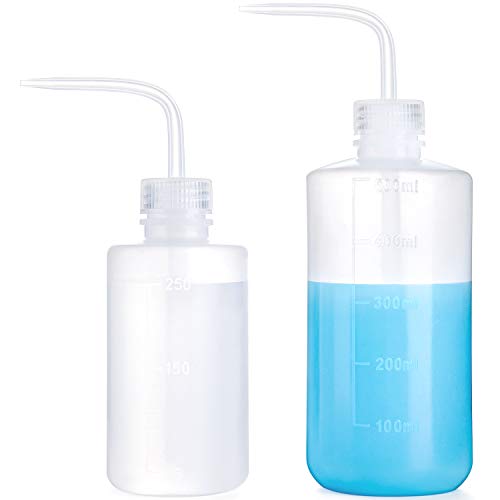 Mkono 2 Pack Watering Can - 250ML and 500ML Succulent...
 Homarden 60 oz Water Can Metal - Stainless Steel...
 Gardener’s Supply Company Copper Plated Indoor...
Product images and titles from Amazon. As an Amazon Associate we earn from qualifying purchases.
Quick Picks: Best Indoor Watering Cans 2026
| Use Case | Top Pick | Why It Wins | Est. Price |
|---|---|---|---|
| Best overall | Dramm 2-Liter Long Spout | Balanced size, 10" spout, USA-made, lifetime guarantee | $15-20 |
| Best budget | Bloem Aqua Rite 56oz | Extra-long spout, one-piece construction, no weak joints | $10-15 |
| Best small/precision | Haws Handy Indoor 1 Pint | Classic English design, removable brass rose, precise trickle | $14-20 |
| Best for succulents/cacti | Mkono Squeeze Bottle 2-Pack | Squeeze control, bent-tip nozzle, 250+500mL sizes included | $8-12 |
| Best decorative copper | Homarden 60oz Copper Finish | Long narrow spout, copper look, compact and lightweight | $22-32 |
| Best premium | Gardener's Supply Copper-Plated 3qt | Hammered copper-plated steel, statement piece, 3-quart capacity | $35-50 |
| Best large collection | Novelty 1-Gallon Indoor | High capacity, long-stem spout, narrow opening for control | $12-18 |
| Best galvanized metal | Megawodar 1-Gal Galvanized Steel | Steel construction, embossed design, removable spout for easy fill | $20-28 |
Best Overall: Dramm 2-Liter Long Spout Watering Can
Dramm Premium 2-Liter Long Spout Watering Can
Pros
- Long balanced spout reaches tight spots and back-of-shelf plants
- USA-made with a lifetime guarantee (Dramm stands behind it)
- High-grade injection-molded plastic will not rust, leak, or corrode
- Available in six colors, easy to tell apart in a multi-can household
- Includes a plastic rose attachment for seedlings and cuttings
Cons
- Plastic look is functional, not decorative; not the choice for display-first rooms
- Rose attachment is plastic rather than brass; less durable than Haws brass rose
The Dramm 2-Liter is the can most plant-focused households should own. Two liters is the sweet spot for an indoor watering session: enough to water 8 to 12 medium pots without a refill, light enough to carry and maneuver precisely when full, and sized to fit under most sink faucets for easy refilling. The long angled spout reaches the base of plants on high shelves, back rows of a shelf display, or hanging baskets without requiring you to tip the full can at a dangerous angle. Dramm's injection-molded plastic formula does not rust or corrode, which matters for a tool that lives in a damp environment and is regularly filled and emptied.
The lifetime guarantee is genuine: Dramm has been manufacturing garden watering equipment since 1945 and backs their products. The included plastic rose turns the stream into a fine shower suitable for seedlings and fresh cuttings without displacing the soil surface. For daily houseplant watering, remove the rose and use the bare spout for directional control. This is the can to reach for on watering day and it will not let you down.
Best Budget: Bloem Aqua Rite 56oz Watering Can
Bloem Aqua Rite Watering Can, 56oz
Pros
- One-piece molded construction means no spout joint to crack or leak
- Extra-long, narrow spout reaches deep into hanging baskets or plant clusters
- Lightweight and comfortable to carry at 56oz capacity
- Available in several cheerful colors
Cons
- Smaller capacity than the Dramm 2L; may need more refills for large collections
- No rose attachment included
Bloem's Aqua Rite solves the biggest structural weakness of cheap watering cans: the spout joint. Most budget cans are assembled from two or more molded pieces joined at the spout base, and that junction is where they crack, leak, and fail. The Aqua Rite is one continuous molded piece, eliminating the joint entirely. The extra-long, narrow spout is a genuine advantage for reaching deep into hanging baskets, threading between crowded plants on a shelf, or directing water to the base of a plant with large, spreading foliage that blocks the soil surface from a standard-length spout. At under $15, it is the most capable budget option available, and its reliability at that price point is hard to beat.
Best Small Precision: Haws Handy Indoor Watering Can
Haws Handy Indoor Plastic Watering Can, 1 Pint
Pros
- Removable brass-faced rose with precisely drilled holes for the gentlest shower available
- Classic Haws spout geometry; precise, controlled trickle at low tilt angles
- Compact enough to store in a kitchen drawer or on a windowsill
- Works beautifully for orchids, African violets, and any plant needing extremely controlled watering
Cons
- 1 pint capacity; requires frequent refills for anything beyond 2 to 3 small pots
- Not suited as a primary can for collections larger than 10 plants
Haws has been making watering cans in England since 1886 and their design principles show up in every product they make. The Handy Indoor is a miniature version of their professional horticultural cans: the spout angle and taper are engineered to deliver water at a controlled trickle even when the can is barely tilted, which is a real engineering challenge at small scales that most other brands do not solve. The brass-faced rose (metal, not plastic) breaks the stream into a fine, uniform shower that is as gentle as a light rain and ideal for African violets, seedlings, moss terrariums, and any plant where a direct water stream would disturb the growing medium. At 1 pint, it is not the daily driver for a large plant collection, but for precision work on delicate plants it has no equal at this price.
Best for Succulents and Cacti: Mkono Squeeze Bottle 2-Pack
Mkono Succulent Watering Bottle 2-Pack (250mL + 500mL)
Pros
- Squeeze control lets you apply a single drop or a slow stream to a specific spot
- Bent tip reaches into tight rosettes and thorny cacti without touching the plant
- Two sizes included: 250mL for precision on tiny pots, 500mL for larger succulents
- Inexpensive enough to keep one in every room where succulents live
Cons
- Squeeze bottles have less capacity than watering cans; not suitable for large tropical plants
- Works best on individual plants; slow for watering an entire shelf
Succulents and cacti need infrequent but deliberate watering: soil should dry completely between sessions, and when you do water, the goal is to saturate the root zone without splashing water into the rosette or onto the base of the stem where rot typically starts. A standard long-spout watering can is actually too imprecise for this; the water stream, even from a narrow spout, is difficult to control at the low volumes a 3-inch succulent pot requires. Squeeze bottles solve this. The bent-tip nozzle on the Mkono lets you direct water to the soil surface at the edge of the pot, away from the plant center, and you can stop with a single squeeze. Pair with a soil moisture meter to confirm the soil has dried before the next session.
Best Decorative Copper: Homarden 60oz Copper Finish Watering Can
Homarden 60oz Copper Colored Watering Can
Pros
- Copper finish looks attractive on kitchen counters and shelves when the can is on display
- Long narrow spout gives adequate reach and directional control
- 60oz capacity handles a typical daily watering session without constant refilling
- Dual handles make it easier to pour without straining
Cons
- Copper is a finish over base metal; will not develop the patina of real copper
- Heavier than plastic options at equivalent volume
For rooms where the watering can sits on the counter or a plant shelf on display between uses, the Homarden copper-finish can is the functional-meets-decorative answer. The copper finish reads as a considered design choice rather than a utility object, which matters in a kitchen or living room where a bright green plastic can would look out of place. The long narrow spout delivers adequate reach for most shelf plants, and 60oz is a comfortable daily-use volume. It is not real copper and will not develop the green patina that genuine copper acquires over years of use, but the finish is durable enough for regular indoor use.
Best Premium: Gardener's Supply Company Copper-Plated 3-Quart
Gardener's Supply Company Copper-Plated Indoor Watering Can, 3 Quart
Pros
- Hammered copper-plated steel; a genuine accent piece for any plant display
- 3-quart capacity handles larger collections without constant refilling
- Curved spout is easy to pour with one hand; well-balanced at most fill levels
- A gift-quality item that plant lovers are happy to display
Cons
- Spout is not as long or narrow as functional-only picks; less reach into tight spaces
- Premium price is justified by aesthetics and steel construction, not just function
Gardener's Supply Company has sold horticultural products since 1983 and their copper-plated watering can is among the best-looking functional cans available. Hammered copper-plated steel gives it visual depth and texture that you do not get from a painted or powder-coated finish, and it is substantial enough to serve as a display piece in a plant-filled living room or sunroom. The 3-quart capacity is generous; at 2.8 liters it handles most full-collection watering sessions with one or two refills. The curved spout is easy to pour with one hand and the balance is good throughout the fill range. If the watering can itself is part of the room's aesthetic, this is the right choice.
Best Large Collection: Novelty 1-Gallon Indoor Watering Can
Novelty Indoor Watering Can, 1 Gallon
Pros
- 1-gallon capacity dramatically reduces refill trips for large collections
- Long-stem spout with narrow opening maintains directional control despite large volume
- Made in the USA from impact-resistant plastic
- Good value: full-gallon capacity at a mid-range plastic price point
Cons
- Full at 1 gallon (8.3 lbs) it is heavy; most useful if you water in circuits and set it down between plants
- Larger body is bulkier to store in tight spaces
Plant collectors who have crossed the 20-plant threshold know the frustration of refilling a 1- or 2-liter can five times per watering session. The Novelty 1-Gallon eliminates most of those trips. The long-stem spout with a narrow opening threads the needle between capacity and control: you get the directional precision of a dedicated indoor watering can, not the sloppy pour of a large-mouth bucket, at a full gallon of volume. At full weight (just over 8 pounds with water) it is most comfortable to carry with two hands and set on a plant stand or the floor between plants rather than holding it at arm's length throughout. Made in the USA from high-grade impact plastic with a classic look that fits unobtrusively into plant rooms.
Best Galvanized Metal: Megawodar 1-Gallon Galvanized Steel
Megawodar 1-Gallon Galvanized Steel Watering Can
Pros
- Galvanized steel is more durable and longer-lived than plastic if kept dry between uses
- Embossed vintage design is visually appealing for plant rooms and farmhouse-style interiors
- Removable long spout makes refilling easy; wide opening lets you pour quickly from a pitcher
- 1-gallon capacity suits large collections and big floor plants
Cons
- Galvanized steel can rust at the seams if left wet inside; always empty and dry after use
- Heavier than plastic at equivalent capacity
- Removable spout is a potential leak point; inspect the seal periodically
Galvanized steel watering cans occupy the space between purely decorative copper-finish cans and workhorse plastic: they look good enough to display in a plant room or on a back porch, but they are genuinely durable tools that will outlast any plastic equivalent if maintained properly. The key to longevity with galvanized steel is to empty and dry the can after every use. Leaving water inside accelerates rust at the seams and the spout joint, which is the most common failure point. The removable long spout on the Megawodar is a practical feature that makes refilling through a narrow sink faucet much easier: detach the spout, fill the body directly, then reattach. The embossed pattern gives it a vintage aesthetic that works in farmhouse kitchens, greenhouses, and plant-forward living rooms.
How to Choose an Indoor Watering Can
| What to look for | Why it matters | Our recommendation |
|---|---|---|
| Spout length | Longer spout (10+ inches) reaches tight spots and hanging plants without tilting the can dangerously | Minimum 10"; 12-14" for shelves and hanging baskets |
| Spout diameter | Narrow spout gives more flow control; wide spout fills faster but is harder to direct precisely | Narrow for precision; medium for general use |
| Capacity | 1-2 liters for most households; 1 gallon for 20+ plant collections or large floor plants | Match to your collection size |
| Handle design | Dual handles (top + body) distribute the weight of a full can and reduce arm strain when pouring | Single handle fine under 1L; dual preferred for 1.5L+ |
| Rose attachment | Removable rose converts stream to gentle shower; needed for seedlings and cuttings | Only essential for propagation and seedling work |
| Material | Plastic is light and rust-proof; metal looks better but needs drying after use; copper-finish is decorative | Plastic for utility; metal/copper for display rooms |
Accessories to Complete Your Watering Setup
A good watering can works best alongside the right complementary tools. Before watering, confirm the soil actually needs water using a soil moisture meter: push the probe to the middle of the root zone and check the reading. Most overwatering happens because growers water on a schedule rather than based on actual soil moisture. A moisture meter makes the decision objective.
For plants on elevated shelves or in hanging baskets, pair your long-spout can with a plant stand that positions the plant at a convenient watering height. Plants that spend their lives at floor level or above shoulder height are the hardest to water cleanly without spills.
- Plant saucers and trays: catch drainage water from thorough top watering, protect surfaces, and enable bottom-watering for plants that prefer it.
- Wide-mouth watering funnel: makes refilling narrow-opening watering cans from a tap or pitcher much easier and avoids spills on the counter.
- Self-watering inserts: reservoir inserts for existing pots that reduce watering frequency for busy households or travel periods.
For beginners building out their watering routine, the houseplant care guide for beginners covers the 3-finger soil test, light requirements by room, and the 10 most forgiving houseplants to start with. The right watering can removes one obstacle; the other is knowing when and how much to water.
The Bottom Line
For most plant owners with a collection of 5 to 20 plants, the Dramm 2-Liter is the right answer: USA-made, lifetime guaranteed, long spout, includes a rose for delicate work, and available in six colors. Budget shoppers who want maximum value should look at the Bloem Aqua Rite for its one-piece construction and extra-long spout under $15. Succulent and cactus growers get better control from the Mkono squeeze bottles than from any conventional watering can. And for display-first rooms where the can stays on the counter, the Homarden copper finish or the premium Gardener's Supply copper-plated steel look good enough to leave out all week. Pick for your collection size and room, then water less often than you think you need to, and check the soil first every time.
Frequently Asked Questions
What size watering can is best for indoor plants?
For most collections of 5 to 15 plants, a 1- to 2-liter can is the sweet spot: light enough to control precisely, large enough for a full session without multiple refills. Large collections (20+ plants) or big floor plants benefit from a 1-gallon can. For succulents and cacti, a squeeze bottle gives better control than any watering can.
Why does spout length matter?
A long spout (10+ inches) directs water to the soil surface at the base of the stem without wetting the foliage. Many houseplants (calathea, African violet, begonia) are prone to leaf spot when water sits on the leaves in low-light indoor conditions where foliage dries slowly. A long spout also reaches plants at the back of a shelf without requiring you to tilt the full can to a dangerous angle.
How often should I water indoor plants?
Check the soil with the 3-finger test (push to the second knuckle) rather than watering on a fixed schedule. If the soil feels moist, wait. If it is dry at that depth, water thoroughly until water drains from the bottom. Most tropicals in active growth need watering every 5 to 10 days; succulents every 2 to 4 weeks. Overwatering is the most common cause of houseplant death.
Can I bottom-water instead of using a watering can?
Yes, and for plants like African violets and begonias that dislike wet foliage, bottom watering (setting the pot in a tray of water to wick up from the drainage hole) is the preferred method. The limitation is speed and the lack of salt-flushing: top watering washes accumulated fertilizer salts from the soil; bottom watering does not. Use a watering can as the primary tool and reserve bottom watering for sensitive plants.
How do I prevent algae and mineral buildup in my watering can?
Empty the can after each session and store it upside down so residual water drains out. Rinse monthly with a dilute white vinegar solution (1 part vinegar to 4 parts water), let it sit 30 minutes, then rinse with clean water. This removes mineral scale (white hard-water deposits) and discourages algae growth. For metal cans, dry the interior after rinsing to prevent rust at the seams.