Houseplant Care Guide for Beginners: Keep Your Plants Alive
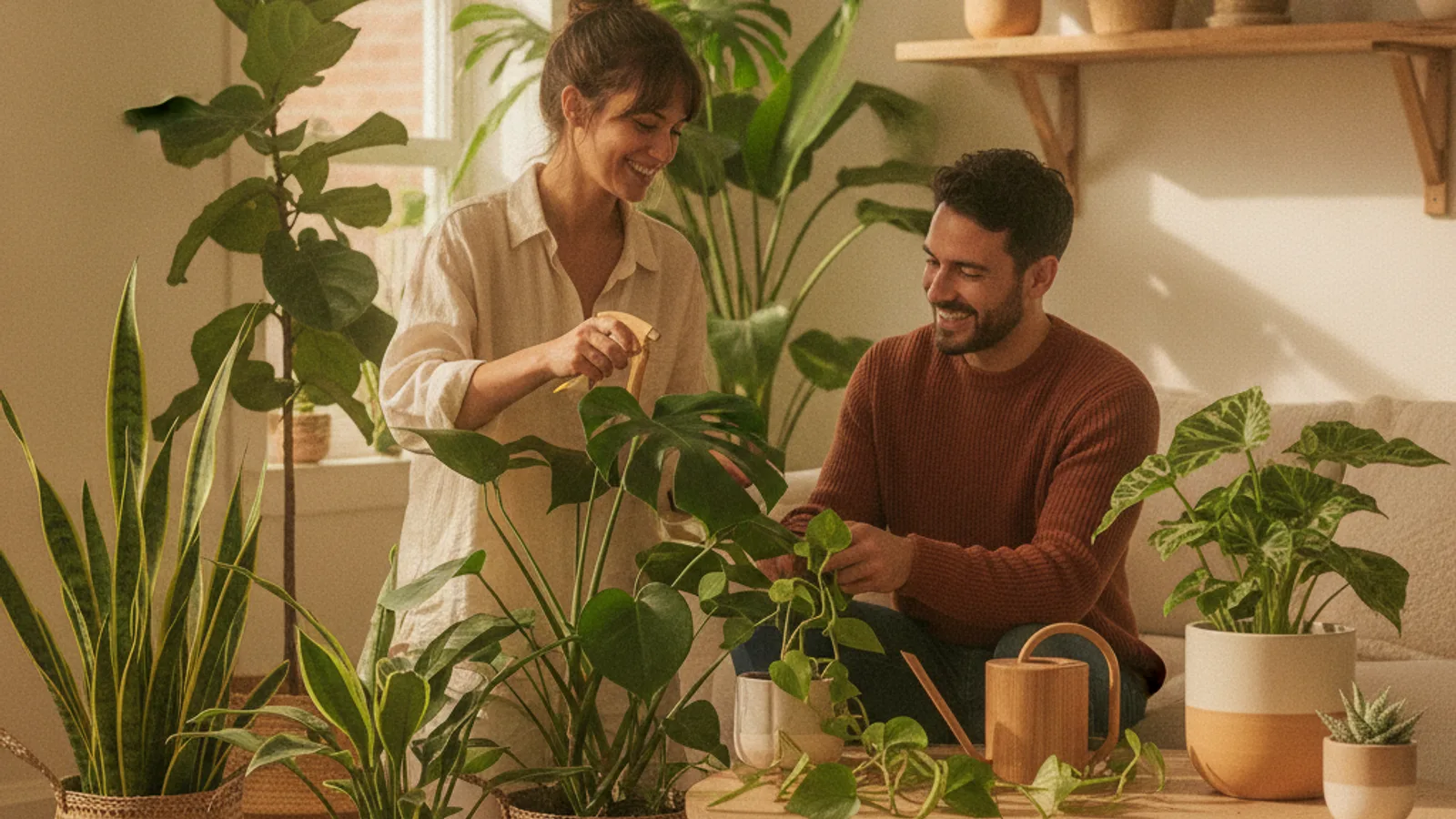
You bought a beautiful houseplant, brought it home, and now you're terrified of killing it. Sound familiar? You're not alone. The number one reason houseplants die is overwatering, followed closely by wrong light conditions. This guide covers everything a beginner needs to keep their plants alive and thriving.
The #1 Rule: Stop Overwatering
More houseplants die from too much water than too little. When roots sit in soggy soil, they can't breathe and begin to rot. Root rot is often fatal by the time you notice symptoms (yellow leaves, mushy stems, foul smell from soil). See our complete guide on overwatered vs. underwatered plants to diagnose and fix either problem.
The finger test: Stick your finger 1-2 inches into the soil. If it's dry, water. If it's still moist, don't. Most houseplants prefer to dry out slightly between waterings. For a more reliable reading, especially for drought-tolerant plants where the surface dries much faster than the root zone, a soil moisture meter reaches deeper and gives you a number rather than a guess. See our full soil moisture meter guide.
How to Water Properly
- Water thoroughly: When you water, soak the soil until water runs out the drainage holes. Don't just sprinkle the surface.
- Empty the saucer: Don't let pots sit in standing water. Dump excess water from the saucer after 30 minutes.
- Use pots with drainage: Decorative pots without holes are plant killers. Use a nursery pot inside the decorative one, or drill drainage holes.
- Water less in winter: Plants grow slower in winter and need less water. Reduce frequency but don't stop entirely.
- Room temperature water: Cold water can shock tropical plants. Let tap water sit for a few hours first.
Understanding Light
Light is food for plants. Getting it right is the second most important factor after watering.
- Bright direct light: Unobstructed sunlight hitting the plant. South-facing windows in the Northern Hemisphere. Needed by: cacti, succulents, most herbs.
- Bright indirect light: Near a bright window but not in direct sun (or filtered through a sheer curtain). Most tropical houseplants thrive here, Monstera, Pothos, Philodendron, Fiddle Leaf Fig.
- Medium light: A few feet from a window, or a north-facing window. Works for: Snake Plant, ZZ Plant, Dracaena.
- Low light: Far from windows or interior rooms. Very few plants thrive here, Cast Iron Plant, some Pothos, ZZ Plant can survive.
Key insight: "Low light tolerant" means a plant can survive in low light, it doesn't mean it prefers it. Almost every plant does better with more light. For a full breakdown of which plants genuinely thrive (not just survive) in dim rooms, see our guide to the best low-light houseplants.
Choosing the Right Soil
Standard potting mix works for most houseplants, but some need modifications:
- General houseplants: All-purpose potting mix (not garden soil, it's too heavy)
- Succulents and cacti: Fast-draining mix, potting soil + perlite + coarse sand, or a pre-made cactus and succulent potting mix
- Tropical aroids (Monstera, Philodendron): Chunky mix with orchid bark, perlite, and peat
- Orchids: Orchid bark or sphagnum moss, no soil at all
Never use soil from your garden, it compacts in pots, drains poorly, and may contain pests and diseases.
Not sure what plant you have?
Identify it first so you can give it the right care. Snap a photo for instant ID with care tips.
The Easiest Plants for Beginners
Start with forgiving plants that can handle mistakes while you learn:
Pothos (Epipremnum aureum)
The ultimate beginner plant. Trails beautifully, tolerates low light and irregular watering, grows fast, and is nearly impossible to kill. Comes in golden, neon, marble queen, and other varieties. Note: toxic to pets, see pet-safe alternatives.
Snake Plant (Sansevieria/Dracaena trifasciata)
Thrives on neglect. Water every 2-4 weeks, tolerates low to bright light. Architectural upright leaves in many patterns. One of the best air-purifying plants. Mildly toxic to pets.
ZZ Plant (Zamioculcas zamiifolia)
Glossy, dark green leaves on elegant stems. Tolerates low light, irregular watering, and even forgetful owners. Has thick rhizomes that store water. Water every 2-3 weeks.
Spider Plant (Chlorophytum comosum)
Produces charming baby plants on runners. Tolerates a range of conditions. Non-toxic to pets. Tells you when it's thirsty, leaves go pale and slightly limp.
Rubber Plant (Ficus elastica)
Bold, glossy dark leaves. Grows into an impressive indoor tree. Likes bright indirect light and regular (but not excessive) watering. Wipe leaves occasionally to keep them shiny.
Common Problems and Solutions
- Yellow leaves: Usually overwatering. Check soil moisture. Can also be too little light or natural aging of old leaves.
- Brown leaf tips: Low humidity, underwatering, or salt buildup from fertilizer. Try misting or a humidity tray.
- Leggy, stretched growth: Not enough light. Move closer to a window. The plant is stretching toward light.
- Drooping: Could be overwatering OR underwatering. Check the soil, soggy means too much water; dry means too little.
- White fuzzy spots: Mealybugs. Wipe with rubbing alcohol on a cotton swab. Isolate the plant from others. For heavier infestations, neem oil spray applied weekly works well.
- Tiny webs: Spider mites. Spray with water, apply neem oil. Increase humidity. See our full pest ID and treatment guide for all common houseplant bugs.
Essential Starter Tools (Under $30 Total)
- Soil moisture meter, the single tool that prevents the most houseplant deaths. Eliminates the guessing that causes overwatering. The SONKIR MS02 3-in-1 also measures light and pH.
- Perlite, add 20–25% to standard potting mix for better drainage. One bag lasts dozens of repottings.
- Liquid fertilizer, a balanced NPK liquid fertilizer diluted to half-strength, applied once a month in spring/summer, covers most houseplants.
- Neem oil, the best broad-spectrum preventive treatment for fungus gnats, spider mites, mealybugs, and scale. Apply monthly as prevention; weekly if you see active pests.
Quick-Start Checklist
- Identify your plant so you know its specific needs
- Use a pot with drainage holes
- Use potting mix, not garden soil
- Place in appropriate light for the species
- Water only when the top inch of soil is dry
- Don't move your plant around too much, they like consistency
- Fertilize monthly during spring/summer with diluted liquid fertilizer
- Check for pets, ensure your plants are pet-safe if needed
Just starting out? My Greenhouse tracks how long since you last checked each plant and keeps its watering rule right next to it, so you get reminded to look rather than to water on a timer. Free, no account.
Frequently Asked Questions
What are the easiest houseplants for beginners?
Pothos, Snake Plant, ZZ Plant, Spider Plant, and Cast Iron Plant. They tolerate inconsistent care and a range of light conditions.
How often should I water my houseplants?
There's no universal schedule. Use the finger test, stick your finger 1-2 inches into soil. Dry = water. Moist = wait. Most plants prefer to dry slightly between waterings.
Why are my houseplant leaves turning yellow?
Most commonly overwatering. Check if soil is soggy. Can also indicate too little light, nutrient deficiency, or natural aging of older leaves.
Related reading: Indoor Plants Safe for Cats · Succulent Identification Guide · Is This Plant Poisonous to Dogs? · Common Houseplant Pests: Identify & Treat
Related Articles
Indoor Plants Safe for Cats Beautiful houseplants that won't harm your feline friends. Succulent Identification Guide Identify the most popular succulent varieties. Flowering Plant Identification A visual guide to common garden and wildflowers. Common Houseplant Pests Identify and treat spider mites, mealybugs, fungus gnats, scale, and more. Best Plant Identification Books 2026 Field guides, houseplant references, and wildflower books compared.- Know your plants 🌿 -
Upload a Photo